
This guide breaks down the best CPAP mask types for side, back, and stomach sleepers, plus the simplest way to pick the right one.
What actually makes a CPAP mask “the best”?
The best CPAP mask is the one they can tolerate every night while maintaining a stable seal. Comfort matters, but so do leak control and the ability to keep the airway pressure consistent.
In practice, “best” usually means: fewer leaks, less noise, minimal facial marks, easy cleaning, and a fit that does not fall apart when they change position.
Which CPAP mask type is best for side sleepers?
For side sleepers, nasal pillows or a minimal-contact nasal cradle mask is often the best starting point. These designs tend to sit closer to the nostrils and take up less space, so the pillow does not push the mask out of place as easily.
If they frequently get mouth leaks or wake with a dry mouth, they may still need a full-face option. In that case, a compact full-face mask with a stable frame can work better than a bulkier one.
Which CPAP mask type is best for back sleepers?
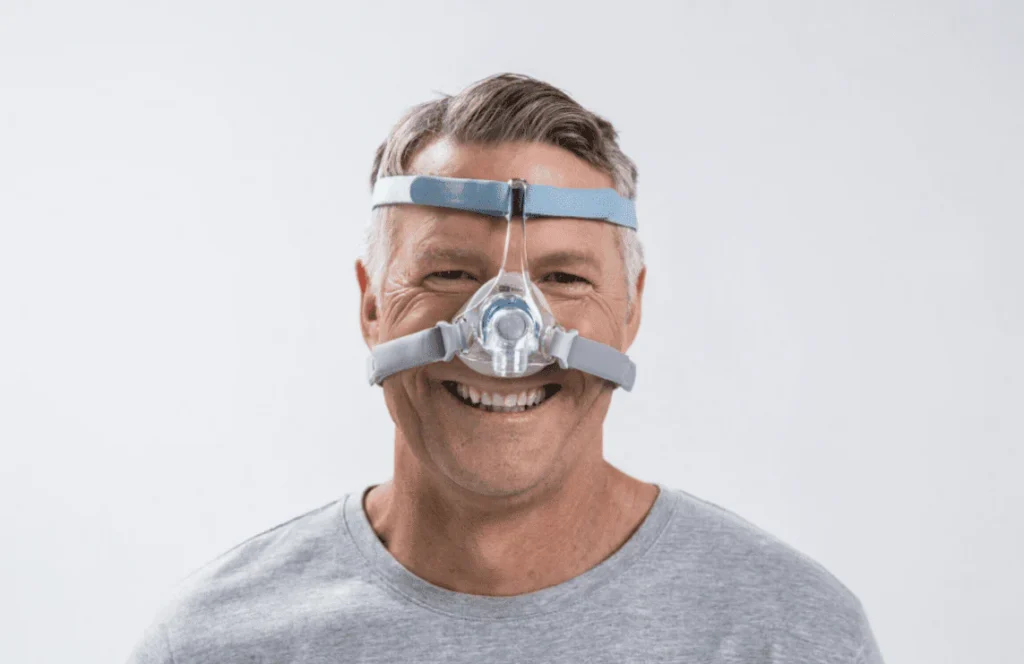
For back sleepers, almost any mask style can work, so breathing style becomes the deciding factor. If they breathe through the nose comfortably, a nasal mask or nasal pillows usually feels lighter and can reduce leak risk.
If they regularly breathe through the mouth, a full-face mask is often the most reliable choice. A chin strap can help some people stay nasal-breathing, but it is not a universal fix.
Which CPAP mask type is best for stomach sleepers?
For stomach sleepers, the best CPAP mask is typically nasal pillows or the smallest nasal cradle mask they can comfortably seal with. The goal is to minimise how much the mask protrudes, because stomach sleeping increases the chance of the mattress or pillow pressing into the mask.
They may also benefit from a CPAP-friendly pillow with side cut-outs, or from routing the hose upwards to reduce tugging when they turn.
Is a nasal mask or nasal pillows better for most people?
Nasal pillows can feel less claustrophobic and are often easier for active sleepers because there is less mask to dislodge. They can be ideal when they want a minimal footprint and a clear line of sight for reading or watching TV.
A nasal mask can feel more stable for some people and may suit higher pressures better, especially if nasal pillows cause nostril soreness. If they are unsure, starting with a nasal option and adjusting based on comfort is common.
When is a full-face mask the best choice?
A full-face mask is usually best when they breathe through the mouth at night, have persistent nasal congestion, or cannot maintain a nasal seal. It can also reduce the “air blasting out of the mouth” issue that happens when nasal masks are used by habitual mouth-breathers.
The trade-off is bulk: full-face masks have more surface area, so they may leak more with movement. Fit and strap tension become more important, especially for side sleepers.
How can they tell if their CPAP mask is leaking too much?
If they hear hissing, feel air blowing into the eyes, or wake with a dry mouth, the seal may be failing. Many CPAP machines also report leak data, which can confirm whether leaks are frequent or severe.
Small leaks are normal, but consistent large leaks can reduce therapy effectiveness and disturb sleep. The best mask is the one that stays sealed without being tightened to the point of discomfort. Read more about the science of sleep.
What features matter most for comfort across different sleeping positions?
For most sleepers, three features drive comfort: minimal contact points, a stable cushion seal, and a headgear design that does not slip. A flexible frame can help movement, but too much flexibility can also lead to shifting and leaks.
Hose placement can also matter. Top-of-head hose connections can reduce dragging for active sleepers, while front connections can be simpler and lighter for others. Learn more about what are CPAP machines and how do they treat sleep apnea?
How should they choose the right size and fit?
They should use the manufacturer’s sizing template whenever possible, because “medium” varies by brand. A mask can feel fine at first and still leak later if the cushion is the wrong shape for their nose or facial contours.
They should aim for a seal that works with the straps only moderately snug. Over-tightening often increases leaks by deforming the cushion and creates pressure points that make long-term use harder.
What is the simplest way to decide on the best CPAP mask?
They should match the mask to two things first: how they breathe and how they sleep. Nasal breathing plus side or stomach sleeping often points to nasal pillows or a minimal nasal mask, while mouth breathing often points to a full-face mask.
If they can, they should prioritise a mask with a trial or exchange option. The “best” CPAP mask is often found through one or two sensible iterations rather than a single perfect first choice.
FAQs (Frequently Asked Questions)
What factors determine the best CPAP mask for an individual?
The best CPAP mask is one that matches how they sleep, how they breathe, and what they can comfortably wear all night. Key factors include a reliable seal with minimal pressure on the face, fewer leaks, reduced noise, minimal facial marks, easy cleaning, and a fit that remains stable when changing positions.
Which CPAP mask types are recommended for side sleepers?
For side sleepers, nasal pillows or minimal-contact nasal cradle masks are often ideal because they sit closer to the nostrils and take up less space, reducing displacement from pillow pressure. If mouth leaks or dry mouth occur frequently, a compact full-face mask with a stable frame may be more suitable than bulkier options.
How can back sleepers choose the right CPAP mask based on their breathing style?
Back sleepers who breathe comfortably through their nose usually benefit from nasal masks or nasal pillows, which feel lighter and reduce leak risk. Those who breathe through their mouth typically find full-face masks more reliable. Using a chin strap might help some maintain nasal breathing but isn’t effective for everyone.
What is the best CPAP mask option for stomach sleepers?
Stomach sleepers generally do best with nasal pillows or the smallest nasal cradle mask that provides a comfortable seal. Minimising mask protrusion is important to prevent mattress or pillow pressure on the mask. Additionally, using a CPAP-friendly pillow with side cut-outs or routing the hose upwards can reduce tugging during movement.
When should someone consider using a full-face CPAP mask?
A full-face mask is recommended if they breathe through their mouth at night, experience persistent nasal congestion, or cannot maintain a nasal seal. It helps prevent air from blasting out of the mouth as happens with nasal masks in habitual mouth-breathers. However, full-face masks are bulkier and may leak more with movement, so fit and strap tension are crucial.
How can users identify if their CPAP mask has excessive leaks and what impact does it have?
Signs of excessive leaks include hearing hissing sounds, feeling air blowing into the eyes, or waking up with a dry mouth. Many CPAP machines provide leak data to confirm frequency and severity. While small leaks are normal, consistent large leaks reduce therapy effectiveness and disturb sleep. The ideal mask maintains a seal without needing overly tight straps that cause discomfort.