
What is a Level 3 sleep study?
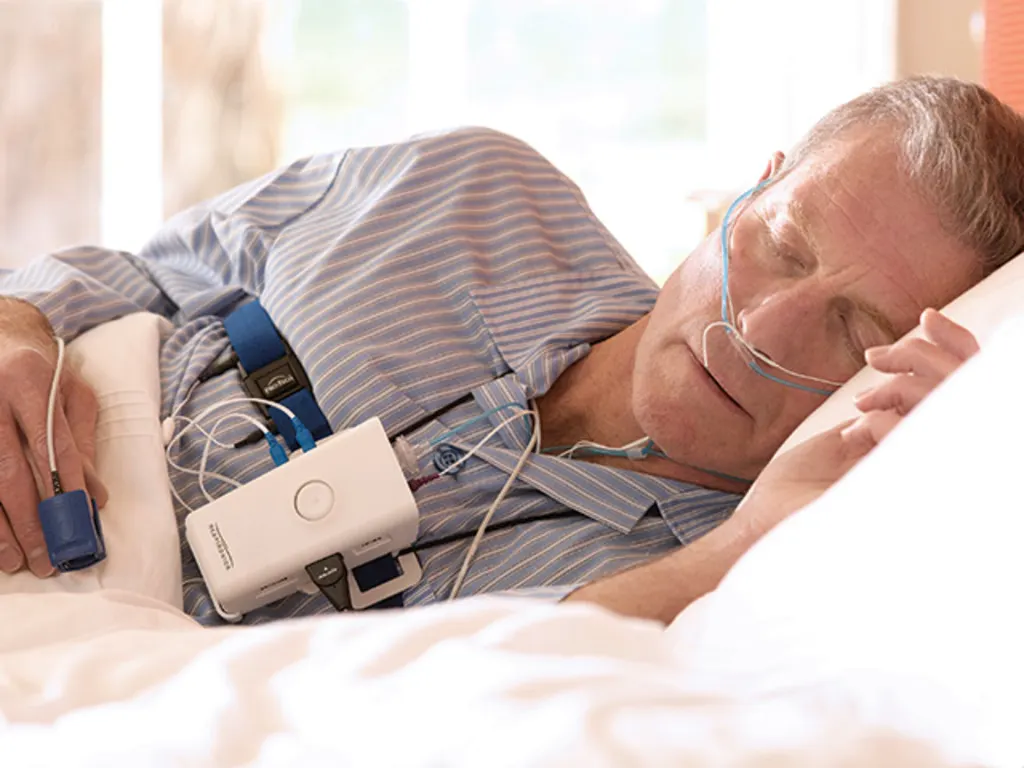
A Level 3 sleep study is a home sleep apnea test (HSAT) that patients use outside a lab, typically for one night. It mainly looks for breathing-related sleep problems by measuring airflow, breathing effort, and oxygen levels, then estimates the severity of obstructive sleep apnea.
When comparing level 3 sleep study, a home-based option is designed to be simpler than laboratory testing, so it generally cannot capture full sleep staging or many non-breathing sleep disorders.
What is an in-lab sleep study?
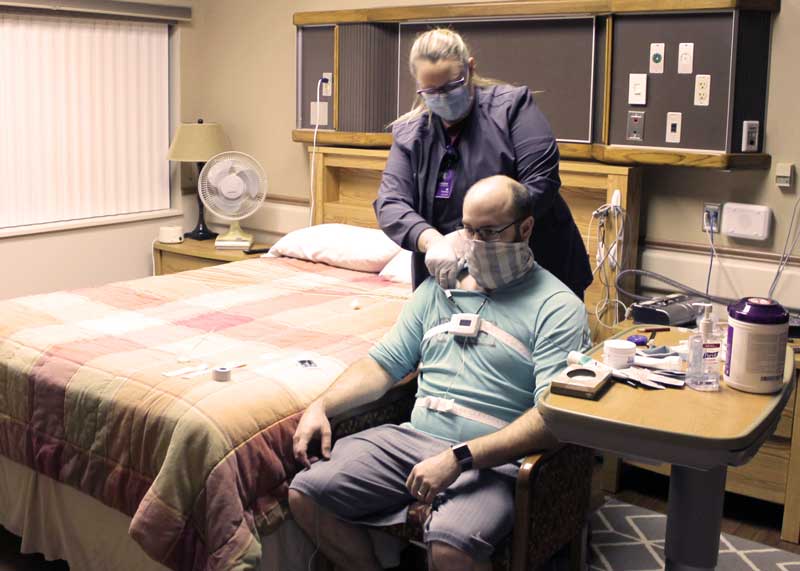
An in-lab sleep study is a polysomnogram (PSG) performed overnight in a sleep center with a technologist monitoring the study. It records a wider range of signals, including brain waves, eye movements, muscle tone, heart rhythm, breathing, oxygen, and often limb movements.
Because it measures actual sleep stages, it can diagnose a broader set of sleep conditions and clarify borderline or complex cases.
What does each test measure?
Level 3 testing usually measures airflow (nasal cannula), respiratory effort (chest or abdominal belt), pulse oximetry (oxygen and pulse), and sometimes body position and snoring. The result often reports a respiratory event index based on recording time, not confirmed sleep time.
In-lab PSG measures all of the above plus EEG/EOG/EMG to stage sleep, ECG, and additional channels as needed. That extra detail helps identify arousals, sleep fragmentation, and disorders beyond sleep apnea.
How accurate is Level 3 testing compared to in-lab testing?
Level 3 testing can be accurate for moderate to severe obstructive sleep apnea in straightforward cases, especially when symptoms are typical. It can still miss or underestimate apnea because it cannot confirm when the patient is asleep, and sensor issues at home are more likely to go unnoticed.
In-lab testing is usually considered the most comprehensive option because a technologist can adjust sensors in real time and the study can separate wake from sleep. That tends to reduce false negatives and clarify severity.
Who is Level 3 testing best for?
Level 3 testing is often a good fit when clinicians suspect uncomplicated obstructive sleep apnea and the patient can reliably use the equipment. It is commonly chosen when snoring, witnessed apneas, or daytime sleepiness strongly point to OSA and there are no major comorbidities.
It can also work well when access to a sleep lab is limited or when patients strongly prefer testing at home.
Who should consider an in-lab sleep study instead?
In-lab testing is typically preferred when symptoms are complex, the diagnosis is unclear, or there is concern for conditions beyond uncomplicated OSA. It is also commonly used when patients have significant cardiopulmonary disease, suspected central sleep apnea, neuromuscular weakness, or persistent symptoms despite a negative home test.
It may be the better option when insomnia, parasomnias, seizure-like events, periodic limb movements, or narcolepsy are part of the clinical picture.
How do cost and convenience compare?
Level 3 home studies are usually cheaper and easier to schedule, and they let patients sleep in their own bed. That convenience can improve willingness to test, especially for those who travel, have caregiving duties, or feel anxious in a lab setting.
In-lab studies cost more and can involve longer scheduling wait times, but they provide a higher level of monitoring and a broader diagnostic net. For many patients, that extra information can prevent repeated testing later. See sleep study results interpretation and explanation guide.
What happens if a Level 3 study is negative but symptoms continue?
A negative or borderline Level 3 result does not always rule out sleep apnea or other sleep disorders. If symptoms remain strong, clinicians often recommend an in-lab PSG to confirm sleep time, capture arousals, and detect events that home testing can miss.
They may also reassess whether the issue could be something else, such as insomnia, circadian rhythm disorder, restless legs syndrome, medication effects, or another medical condition.
How do these tests affect treatment decisions?
Level 3 studies can support starting CPAP or auto-CPAP in appropriate cases, and they can guide next steps when OSA is clearly present. However, limited data can make it harder to troubleshoot persistent fatigue, unexplained awakenings, or suspected central events.
In-lab PSG can better tailor treatment when the case is complicated, and it is often paired with a titration study if they need precise pressure settings. It can also influence decisions about oral appliances, oxygen, positional therapy, and evaluation for coexisting disorders.
How should they choose between Level 3 and in-lab testing?
They should usually start by matching the test to the clinical question: if the goal is to confirm likely uncomplicated OSA, Level 3 testing may be enough. If the goal is to explain complex symptoms, evaluate other sleep disorders, or avoid missed diagnoses, in-lab testing is often the safer choice.
The most practical path is to follow a clinician’s screening and risk assessment, then pick the least burdensome test that still answers the question. When in doubt, a clear plan for what happens after an inconclusive home test can prevent delays in treatment.
FAQs (Frequently Asked Questions)
What is a Level 3 sleep study and how does it differ from an in-lab sleep test?
A Level 3 sleep study, also known as a home sleep apnea test (HSAT), is conducted at home using simpler equipment to primarily detect breathing-related sleep problems by measuring airflow, respiratory effort, and oxygen levels. In contrast, an in-lab sleep test or polysomnogram (PSG) is performed overnight in a sleep center with comprehensive monitoring including brain waves, eye movements, muscle tone, heart rhythm, and more, allowing for diagnosis of a broader range of sleep disorders.
What measurements are taken during Level 3 home sleep studies versus in-lab polysomnography?
Level 3 testing typically measures airflow via nasal cannula, respiratory effort through chest or abdominal belts, pulse oximetry for oxygen saturation and pulse rate, and sometimes body position and snoring. In-lab polysomnography records all these plus EEG/EOG/EMG for sleep staging, ECG for heart rhythm, and additional channels to detect arousals, limb movements, and other complex events.
How accurate is a Level 3 home sleep apnea test compared to an in-lab sleep study?
Level 3 testing can accurately detect moderate to severe obstructive sleep apnea in straightforward cases with typical symptoms but may underestimate severity or miss events since it cannot confirm actual sleep time and has less real-time oversight. In contrast, in-lab testing is more comprehensive with technologist supervision that reduces false negatives by distinguishing wakefulness from sleep and adjusting sensors as needed.
Who is the ideal candidate for a Level 3 home sleep study versus an in-lab polysomnogram?
Level 3 testing suits patients suspected of uncomplicated obstructive sleep apnea who can reliably use the equipment at home and have typical symptoms like snoring or daytime sleepiness without significant comorbidities. In-lab studies are preferred for patients with complex symptoms, unclear diagnoses, suspected central apnea, neuromuscular issues, or when other disorders like insomnia or parasomnias need evaluation.
What should patients do if their Level 3 home sleep study results are negative but symptoms persist?
If symptoms continue despite a negative or borderline Level 3 test result, clinicians often recommend an in-lab polysomnography to confirm actual sleep time and detect events missed at home. Further evaluation may consider other conditions such as insomnia, restless legs syndrome, circadian rhythm disorders, medication effects, or other medical issues contributing to symptoms.
How do cost and convenience compare between Level 3 home studies and in-lab sleep tests?
Level 3 home studies are generally more affordable, easier to schedule quickly, and allow patients to sleep comfortably at home—beneficial for those with travel constraints or anxiety about labs. In contrast, in-lab tests tend to cost more with longer wait times but provide detailed monitoring that can prevent the need for repeat testing by delivering a comprehensive diagnosis upfront.