
For many Australians, the first question is simple: what is the cost of sleep apnea test without Medicare? In most cases, they can expect anywhere from about $300 to $3,000+, depending on whether they choose a home test, an in-lab study, and which provider they use.
This guide breaks down typical price ranges in Australia, what drives the fees, and how they can reduce out of pocket costs when Medicare is not covering it.
What is the typical cost range in Australia without Medicare?
In Australia, the cost of sleep apnea test without Medicare is usually lowest for home testing and highest for in-lab sleep studies. Many people pay around $300 to $600 for a basic home sleep test, while an overnight in-lab polysomnography can range from $1,200 to $3,000+.
Pricing varies by state, provider, inclusions, and whether they need specialist review or additional follow-up.
What types of sleep apnea tests can they choose from?
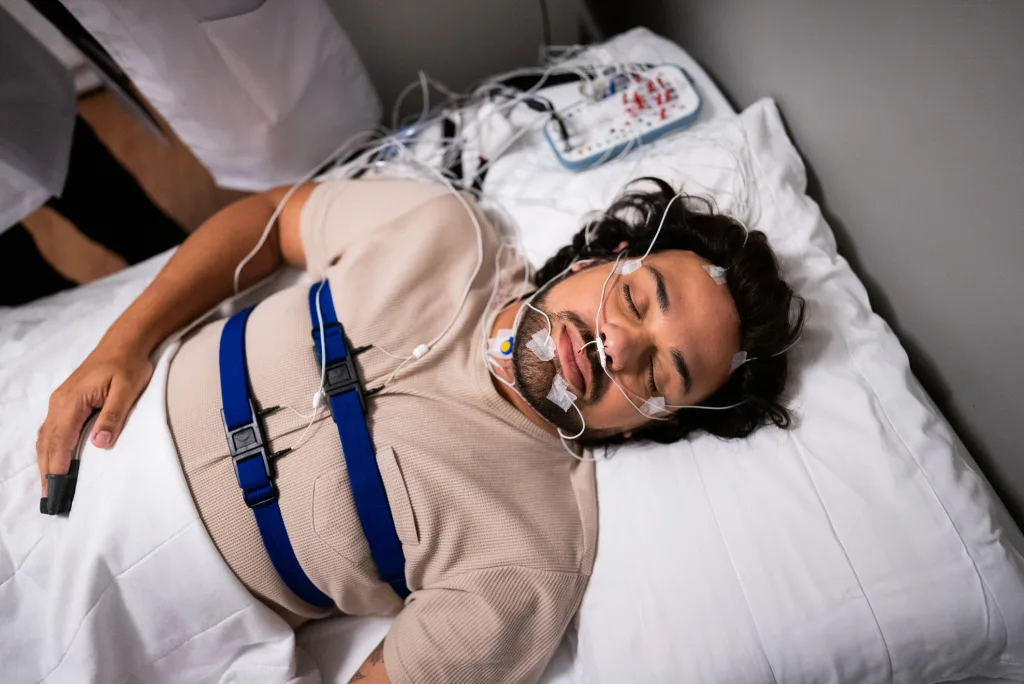
Most Australians will see two common options: a home sleep apnoea test (HSAT) or an in-lab study. HSAT is done in their own bed using a portable device, while an in-lab test is performed overnight in a sleep clinic with more sensors and closer monitoring.
Because the equipment, staffing, and analysis differ, the cost of sleep apnea test without Medicare can change significantly between these two paths.
How much does a home sleep test cost without Medicare?
A home sleep test is often the most budget-friendly option when they are paying privately. In many Australian clinics, the cost of sleep apnea test without Medicare for HSAT commonly sits around $300 to $600, though some comprehensive packages may run higher.
They should check whether the fee includes device hire, scoring, a report, and a clinician consult, because “cheap” listings sometimes exclude key steps.
How much does an in-lab sleep study cost without Medicare?
An in-lab study is typically the most expensive option because it uses specialised facilities, overnight supervision, and more complex analysis. In Australia, the cost of sleep apnea test without Medicare for an in-lab polysomnography is often $1,200 to $3,000+.
If they have complex symptoms, other sleep disorders, or prior inconclusive testing, a clinician may recommend in-lab testing despite the higher cost.
What’s usually included in the price, and what can be extra?
Many providers bundle several items into a single fee, but inclusions vary a lot. A quoted cost of sleep apnea test without Medicare may include the test itself and a written report, yet exclude follow-up appointments, specialist consultations, or repeat studies.
Common extra charges can include a second-night study, an extended report for employers (for example, transport roles), or CPAP trials and mask fitting done through a separate supplier.
Why does pricing vary so much between providers?
Price differences are often driven by who oversees the test, how the data is analysed, and what the package includes. Some clinics use sleep physicians to interpret results, while others use a streamlined model with limited consult time.
Location also matters. In metro areas like Sydney, Melbourne, Brisbane, Perth, and Adelaide, they may see more choice and promotional pricing, while some regional areas have fewer providers and higher travel or service costs, affecting the cost of sleep apnea test without Medicare.
Do they need a GP referral if they’re not using Medicare?
They might not need a referral to book a home sleep test through some private services, but many still prefer one. A GP referral can help ensure the right test is ordered and that other causes of fatigue are considered.
For specialist-led pathways, a referral is common. Even when paying privately, a referral can help speed up triage and improve the chance the test matches their symptoms, which can reduce repeat testing and lower the cost of sleep apnea test without Medicare over time.
Can private health insurance reduce the out of pocket cost?
Private health insurance may help, but it depends on their level of cover and whether the test is done in a hospital, a clinic, or as an outpatient service. Some insurers provide benefits for in-hospital sleep studies, while home tests are often treated differently.
They should call their insurer and ask what item numbers or billing categories apply, and whether waiting periods, excess, or preferred provider arrangements change the cost of sleep apnea test without Medicare.
What are the most common hidden costs they should budget for?
The test itself may not be the final expense. If they are diagnosed with obstructive sleep apnoea, they might also face costs for treatment, especially CPAP equipment.
They may need to budget for a follow-up appointment to explain results, possible repeat testing if the first study is inconclusive, and travel or time off work. These can all add to the effective cost of sleep apnea test without Medicare.
Other Resources : Home Respiratory Program – EnableNSW – NSW Government
Is a home test always enough, or might they need an in-lab study?
A home test can be sufficient for many people with clear signs of obstructive sleep apnoea, such as loud snoring, witnessed pauses in breathing, and daytime sleepiness. It is often used as a first step because it is cheaper and easier to schedule.
However, if they have heart or lung conditions, neurological concerns, suspected central sleep apnoea, insomnia issues, or unusual movements during sleep, an in-lab study may be more appropriate, even if it increases the cost of sleep apnea test without Medicare.
How can they lower the cost if they’re paying privately?
They can often reduce costs by comparing like-for-like inclusions, not just headline prices. A slightly higher upfront fee can be better value if it includes the consult, report, and follow-up.
They can also ask about payment plans, bundled packages, or off-peak appointments for in-lab testing. For some Australians, choosing a home test first is the simplest way to reduce the cost of sleep apnea test without Medicare while still getting a clinically useful answer.
What should they ask a provider before booking?
They can avoid surprises by asking direct, practical questions before paying. They should confirm the total price, what is included, and what happens if the test fails or produces insufficient data.
Useful questions include: Who reviews the study? How long until results are ready? Is a follow-up appointment included? Are there extra fees for a copy of the report? Clear answers help them predict the cost of sleep apnea test without Medicare more accurately.
What does the process usually look like in Australia?
Typically, they start by discussing symptoms with a GP or a provider intake team, then they book either a home test or in-lab study. For home testing, they collect or receive the device, sleep with it for one night (sometimes two), then return it for analysis.
Results are usually delivered in a report with a severity score and treatment options. If they proceed to CPAP, they may be referred to a CPAP supplier or a sleep clinic program, which can influence ongoing costs beyond the cost of sleep apnea test without Medicare.
Are there risks in choosing the cheapest test available?
A very low price can be legitimate, but it can also mean limited channels recorded, minimal clinical oversight, or fewer support options if something goes wrong. If the test is low quality or poorly matched to their symptoms, they may need a repeat study.
That repeat can quickly increase the overall cost of sleep apnea test without Medicare, so they should balance affordability with clinical suitability and clear inclusions.
What’s the best way for them to estimate their personal out of pocket cost?
They can get the most accurate estimate by requesting a written quote that lists inclusions and exclusions. They should share relevant health history, medications, and symptoms upfront so the provider recommends the correct test type.
They can also ask whether the quote changes if a second night is needed, or if a specialist review is required. This is the fastest way to pin down the cost of sleep apnea test without Medicare for their situation.
What’s the key takeaway on pricing without Medicare?
In Australia, the cost of sleep apnea test without Medicare is most commonly a few hundred dollars for a home test and can reach a few thousand for in-lab polysomnography. The real difference comes down to what is included, who reviews the results, and whether they need additional nights or follow-up.
If they want the best value, they should compare transparent packages, confirm inclusions in writing, and choose the test type that fits their symptoms, not just the lowest price.
More to Read : Adelaide Sleep Study Cost Factors Patients Often Overlook