
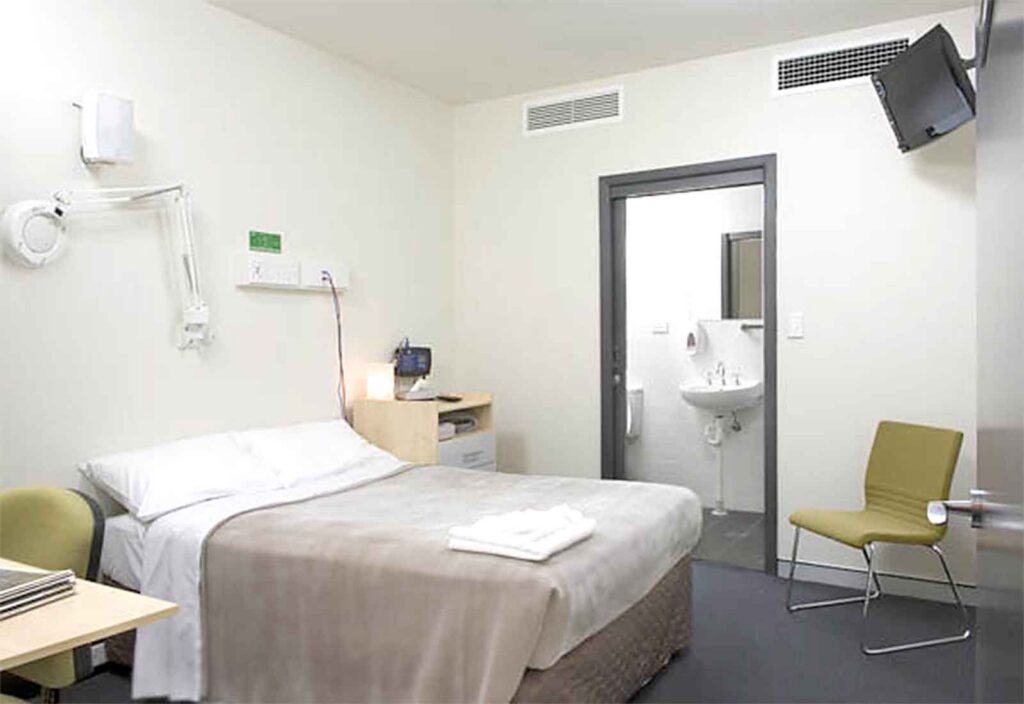
More Australians are choosing to test for sleep apnoea at home, and for good reason. A home test lets you sleep in your own bed, avoids a night in an unfamiliar clinic, and can be easier to fit around work and family. Sydney residents in particular often find home testing appealing because travel across the city can be slow and expensive. This guide explains who is a good candidate, how the kit works, and what to expect after the test.
Who is a good candidate for a home test?
Home sleep apnea test at home australia are designed for adults who have a high probability of moderate to severe obstructive sleep apnoea. Your GP will usually assess your symptoms, such as loud snoring, witnessed breathing pauses, and daytime sleepiness, and may use a questionnaire. A home test is generally not suitable if you have significant lung disease, heart failure, neurological conditions, or other reasons to suspect a more complex sleep disorder.
If you are unsure, the Medicare Benefits Schedule item 12250 page describes the unattended overnight investigation for suspected obstructive sleep apnoea. It is a clear reference for what the test is designed to confirm.
How the home kit works
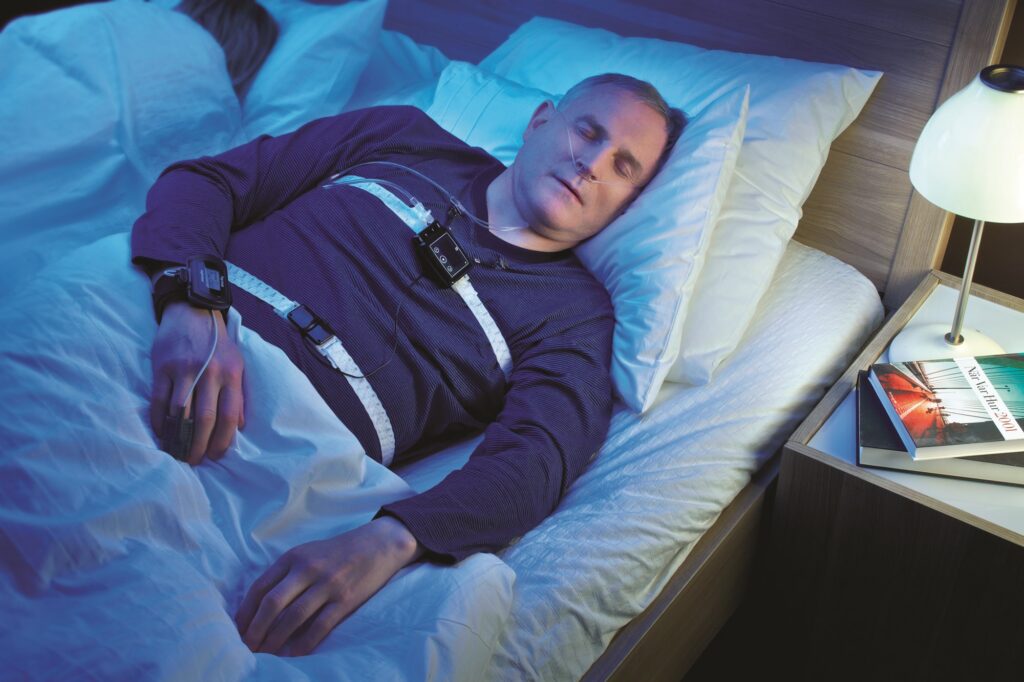
A typical kit includes a small recording unit, a nasal sensor, a finger probe for oxygen, and a belt or strap that measures breathing effort. You attach the sensors before bed, following the instructions carefully. The device records overnight and you return it by post or pick it up from a designated point. The process sounds fiddly, but most people manage it after one practice run.
Setup tips that make a difference
Avoid skin creams on your face, neck, and chest before the test, because they can stop sensors from sticking. Wear a loose singlet or t-shirt so the strap sits comfortably. Plan to attach the sensors about 20 to 30 minutes before you go to bed. If you get up in the night, that is usually fine, but record it in your diary so the report can account for it.
What if the signal is poor?
A poor signal happens, especially with the nasal sensor. Some providers will call you the next morning to talk through the issue. Others may ask you to repeat the test. Do not try to fix a sensor in the middle of the night unless the instructions tell you to. Note the problem, then follow up with the provider in the morning.
Costs, rebates and what to check
Home testing is often more affordable than an in-lab study, but costs still vary. Ask whether the provider bulk bills, what the gap fee is, and what Medicare will rebate. The Medical Costs Finder journey for MBS item 12250 gives a helpful reference for typical costs. Always confirm the final figure with the provider before booking.
What happens after the test
Once the kit is returned, the data is analysed. A sleep physician or trained reader produces a report with your apnoea-hypopnoea index and oxygen results. Your GP will receive the findings and explain the next steps. If sleep apnoea is confirmed, CPAP therapy is the most common treatment, and your team can arrange a machine if needed. Some people prefer an oral appliance, especially if CPAP is uncomfortable.
Is a home test right for you?
If your symptoms match, your GP agrees, and you want a convenient option, a home sleep apnoea test is an excellent choice. If you have complicated health conditions or the first test is unclear, your doctor may still recommend an in-lab study. Either way, the goal is the same: an accurate answer so you can get treatment that actually helps you sleep.
Action steps
Talk to your GP, ask whether a home test suits you, read the provider’s instructions carefully, and set aside an evening when you can do the setup without rushing. Good preparation makes the difference between a clean result and a repeat test.