
If you have been snoring loudly, waking up unrefreshed, or nodding off at the wheel on the M5, you have probably started searching for a sleep test. Air Liquide Healthcare is one of the names that comes up when people look for sleep testing options across Australia, and it is worth understanding what that means before you book anything. Sleep testing is not a single product. It is a pathway that starts with a conversation about your symptoms and ends with a diagnosis that your doctor can act on.
Why Sydney residents search for sleep testing providers
Sydney is a big city with a lot of commuters, shift workers, and families juggling early starts. Many people only realise they have a sleep problem when a partner mentions loud breathing, or when a work performance review starts flagging fatigue. Sydney also has a mix of public hospital sleep laboratories and private providers, and the variety can make it hard to know where to start. A provider like Air Liquide Healthcare sits in the private and home-testing space, which is one reason it appears in local searches.
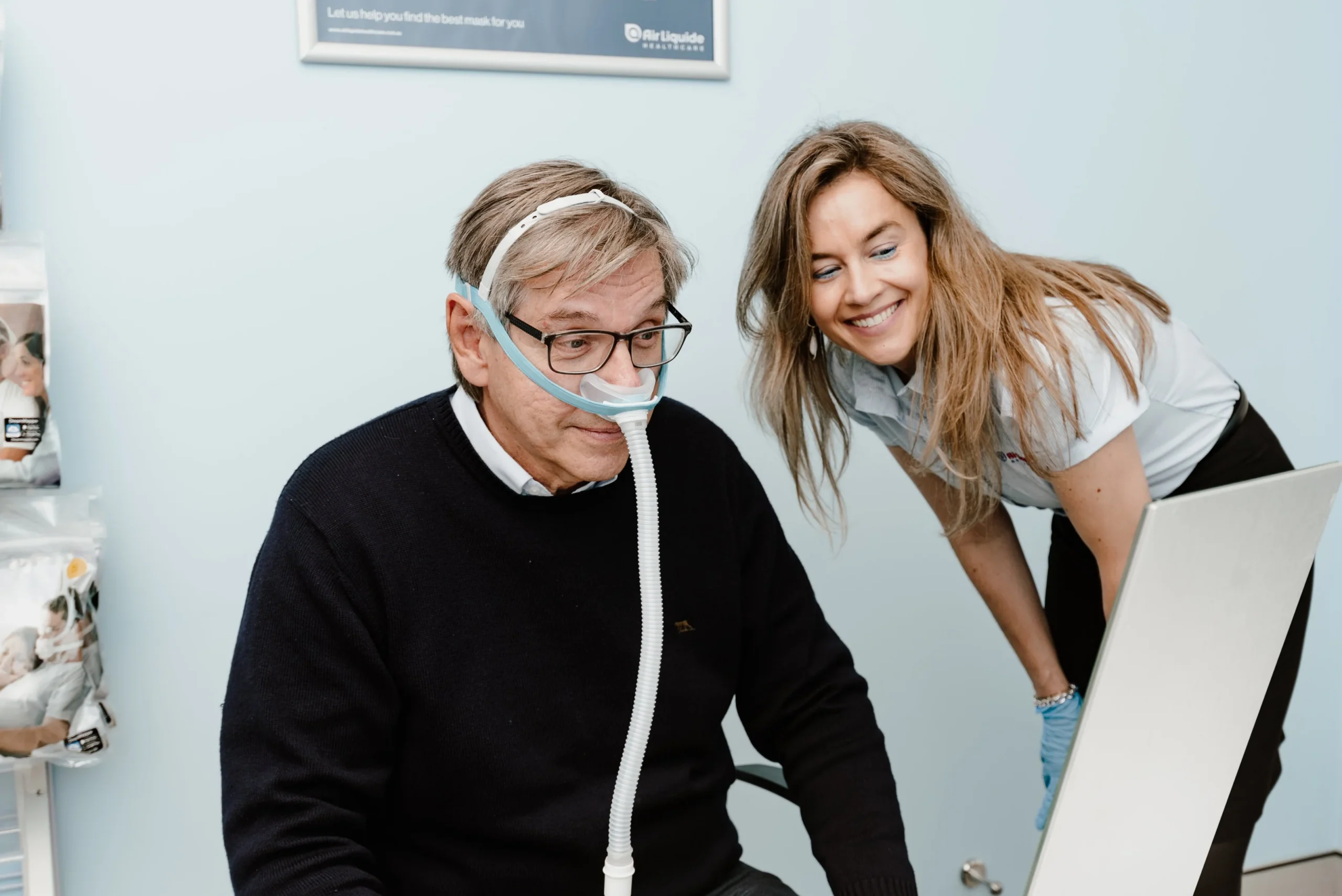
The difference between a sleep study and a sleep test
In everyday conversation people use these terms interchangeably. Clinically, a full in-lab overnight study (polysomnography) records brain activity, breathing, oxygen levels, heart rhythm, and leg movements. A home sleep apnoea test is a simpler device that records breathing and oxygen while you sleep in your own bed. Both can help diagnose obstructive sleep apnoea, but your doctor decides which one fits your symptoms and risk factors.
How a referral works in NSW
In most cases you will need a referral from a GP before a sleep test is booked. Your GP will usually ask about snoring, daytime sleepiness, and any heart or blood pressure issues. They may also use a questionnaire such as the STOP-Bang tool. If your GP decides a test is appropriate, they will write a referral that you can take to the provider of your choice. Some providers will also review referrals directly, so check what they need before you book.
For a clear picture of how Medicare treats overnight sleep investigations, the Medicare Benefits Schedule item 12203 explanation lays out the criteria for attended overnight diagnostic studies. It is dense, so bring the key points to your GP rather than reading it cover to cover.
What to ask before you book
You should ask a handful of practical questions before committing. Is the test fully bulk billed, partly billed, or private? Who reads the results, and will a sleep physician review them? How long will you wait for the report? If you are going to be sent a home kit, ask how it is delivered and whether there is a phone line for setup questions. These details matter more than the marketing copy on any website. Watch before you test
Understanding costs and Medicare
Costs vary depending on whether you have an in-lab study or a home test, and whether the provider bulk bills. Medicare may cover part or all of a sleep investigation when the referral and clinical criteria are met. The Medical Costs Finder page for respiratory and sleep medicine is a good starting point for comparing typical out-ofpocket amounts across providers. Always confirm the exact fee with the provider before the test, because gap fees can change.

What happens after the test
Once the study is complete, the data is scored and a sleep physician or qualified reader prepares a report. The key number is usually the apnoea-hypopnoea index, which counts breathing events per hour of sleep. Your results will be grouped into mild, moderate, or severe categories. Your doctor then discusses the options, which may include CPAP therapy, oral appliances, weight management, or positional changes.
Is Air Liquide Healthcare right for you?
The honest answer depends on your symptoms, your referral, and what matters most to you. If you want a home test and your GP agrees it suits you, a home-based provider can be convenient. If your symptoms are complex, or you have heart conditions, an in-lab study with a sleep physician may be the better route. Compare two or three options, read the fine print, and do not rush the decision just because a website makes booking look instant.
If you are based in Sydney and want to compare local options, start with your GP, ask for a referral that fits your symptoms, and then check the provider’s billing and turnaround times before you book.