
A sleep test is one of the most useful tools doctors have for working out why someone feels exhausted despite a full night in bed. It is not frightening, it is not invasive, and most people finish it with a clearer idea of what is going on. This article explains the basics in plain language, so you can walk into your appointment ready to ask good questions.
What a sleep test measures
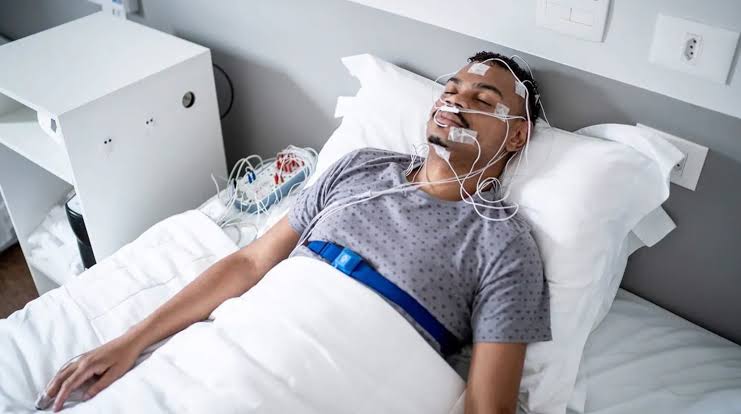
A sleep test sydney records what your body does while you sleep. The core measurements include airflow through your nose and mouth, breathing effort, blood oxygen levels, and heart rate. A full lab study adds brain activity, eye movements, muscle tone, and leg movements, which help separate sleep stages and detect other conditions.
The headline finding is usually the apnoea-hypopnoea index. It counts how many times your breathing pauses or becomes very shallow per hour of sleep. A higher number generally means more severe sleep apnoea, but doctors also look at oxygen dips, how you feel in the morning, and your overall health before deciding on treatment.
Who usually needs one
Your GP may recommend a sleep test if you snore loudly, stop breathing during sleep according to a partner, wake with headaches, or feel sleepy during the day even after a full night. People with high blood pressure that is hard to control, obesity, or atrial fibrillation are also more likely to be referred.
The official criteria are set out in the Medicare framework. The Medicare Benefits Schedule explanatory note for adult sleep disorder investigations explains how doctors assess which pathway fits each patient, and it is a useful read if you want to understand why your referral looks the way it does.
Preparing for the test
Preparation is simpler than most people expect. Keep your usual routine, avoid alcohol and sedatives on the test day if your doctor advises, and bring any medication you take. For home tests, read the instructions carefully and charge any devices in advance. For lab studies, bring comfortable pyjamas and anything you normally use to sleep, such as a pillow or eye mask.
During the night
In a lab, a technician attaches the sensors and monitors the recording from a control room. You can usually go to the toilet and get up if needed. The room is designed to be dark and quiet, although some people still find it hard to sleep in a strange bed. At home, the device is simpler, and you simply sleep as normal. If something falls off, do not panic. Many systems can still give a usable recording.
Getting your results
Results usually take a few days to a couple of weeks, depending on the provider and whether the test is reviewed by a sleep physician. Your GP will receive a report, and you should also get a copy. The report uses clinical terms, so write down questions as you read it. Common questions include: What is my severity level? Is the test reliable given my sleep position? Do I need a repeat study? What are my treatment options?

Treatment options that may follow
If sleep apnoea is confirmed, CPAP therapy is the most common first treatment. It delivers gentle air pressure through a mask to keep your airway open. Some people prefer an oral appliance that moves the jaw forward. Weight management, avoiding alcohol before bed, and sleeping on your side can also reduce events. Your sleep team will help you choose.
If the test is normal and you still feel tired, your doctor can investigate other causes. Iron levels, thyroid function, mood, and medication side effects are all worth checking. A normal sleep test is valuable information too, because it rules out one of the most common explanations.
Questions to ask at your follow-up
Bring a list. Ask what your numbers mean, what treatment is recommended, how long it takes to start, and what support is available if you struggle with the mask or device. Ask whether you need a repeat test after treatment. Good questions help you get better care and a clearer plan.
Final thought
A sleep test is a simple way to get real answers about your sleep. It is most helpful when you treat it as the start of a conversation with your doctor rather than a verdict. Prepare well, ask questions, and keep track of how you feel once treatment begins.