
For anyone comparing quotes in Sydney, Melbourne, Brisbane, Perth, Adelaide, or regional centres, the key is understanding what is actually being paid for, not just the headline number.
What does laser eye surgery cost usually include in Australia?
Most reputable quotes bundle more than the procedure itself, and that is why prices can vary so widely. A typical laser eye surgery cost may include the initial assessment, surgeon and facility fees, the laser treatment, and a schedule of post-op reviews.
Some clinics also include enhancement cover for a set period, plus medications, protective shields, and aftercare support. Others itemise those separately, which can make a cheaper quote end up costing more.
Why does the type of procedure change the price so much?
Different procedures use different steps, equipment, and time in theatre, which shifts the final figure. In Australia, laser eye surgery cost often differs between PRK, LASIK, and SMILE because each has a different workflow and technology requirement.
PRK can be priced differently due to surface healing and follow-up needs. LASIK generally involves flap creation plus laser reshaping. SMILE uses a newer technique and specific platforms, which can push pricing upward.
How does prescription complexity push laser eye surgery cost up?
Higher prescriptions and complex corrections can require more laser time, more detailed planning, and tighter safety thresholds. That can raise laser eye surgery cost, particularly for high myopia, significant astigmatism, or cases near the edge of suitability.
Complex prescriptions may also need extra scans and a more conservative approach, which can increase clinical time. In some cases, a clinic may recommend alternatives, which affects the quote entirely.
Do scans and diagnostic testing meaningfully affect the total?
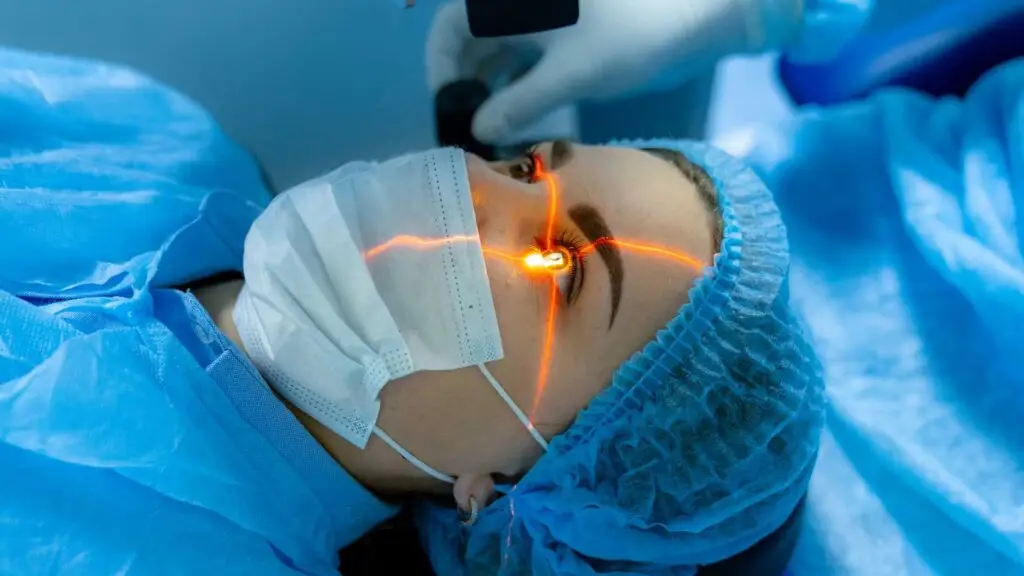
Yes, because modern refractive surgery relies on high-resolution mapping of the cornea and eye optics. A clinic using extensive testing such as corneal topography, tomography, wavefront analysis, and dry-eye assessment may have a higher laser eye surgery cost.
Those tests reduce risk and help customise treatment. Cheaper assessments can exist, but fewer measurements can limit personalisation or lead to more exclusions later in the process.
Why does laser technology and platform choice change pricing?
The laser platform is a major cost centre for clinics, including purchase price, servicing, software, and calibration. A practice using newer femtosecond lasers, advanced excimer lasers, or SMILE-capable systems may set a higher laser eye surgery cost.
Technology can influence comfort, accuracy, and recovery. While newer is not always “better for everyone,” the platform’s capabilities often determine what procedures they can offer and how tailored the plan can be.
How much does surgeon experience influence the price?
Surgeon experience can affect pricing because it is linked to demand, case selection, and the way providers manage complex cases. A highly experienced refractive surgeon in a major Australian city may quote a higher laser eye surgery cost than a less established provider.
What matters is not just years in practice, but relevant caseload, complication management, and whether the surgeon is involved from assessment through to aftercare. Clinics vary in how directly the surgeon is engaged.
Does the clinic location in Australia affect laser eye surgery cost?
Yes, location can shift overheads such as rent, staffing, and theatre access, which flows into laser eye surgery cost. CBD clinics in Sydney or Melbourne may price differently from suburban clinics, and metro clinics may differ from regional providers.
That said, distance alone is not a value signal. Some regional centres invest heavily in equipment and staff, while some city clinics compete aggressively on price.
What role do inclusions and aftercare play in price differences?
Inclusions are where quotes become hard to compare. One clinic may bundle all post-op visits for 12 months, while another includes only a few reviews, affecting the real laser eye surgery cost.
Aftercare also varies in accessibility, with some offering direct clinician access and rapid review slots for concerns. When follow-up is limited or paid separately, the initial price can be misleading.
Do “lifetime enhancements” or retreatment policies change value?
They can, because enhancement policies shift risk and future costs. Some clinics build retreatment coverage into laser eye surgery cost for a defined period if vision regresses within safe limits.
Patients should check the fine print: eligibility, time windows, whether both eyes are covered, and whether additional fees apply for theatre or scans. A strong policy can justify a higher upfront price if it genuinely reduces future out-of-pocket costs.
How do dry eye, thin corneas, or other eye health factors affect pricing?
Pre-existing conditions can add steps before surgery or require a different approach entirely. Treating dry eye before surgery might involve extra appointments or therapies, which can raise laser eye surgery cost indirectly.
Thin corneas, irregular topography, or higher risk findings can lead to more conservative planning, extra diagnostic work, or referral to alternatives like ICL. Those pathways can change both the cost and the timeline.
Why do some clinics advertise very low prices?
Low advertised prices often reflect narrower eligibility, limited inclusions, or promotional pricing tied to specific procedures or prescription ranges. A low laser eye surgery cost headline may exclude the surgeon fee, scans, follow-ups, or enhancement coverage.
Sometimes it is also per eye, which can confuse comparisons. Patients do best when they ask for a written “total cost” quote covering both eyes and every appointment likely to be needed.
Is paying more always “better” for laser eye surgery?
Not automatically, but higher pricing can reflect stronger infrastructure. A higher laser eye surgery cost may indicate more advanced diagnostics, newer lasers, comprehensive aftercare, or more surgeon involvement.
However, value depends on fit. The best option is often the clinic that clearly explains candidacy, offers transparent inclusions, and provides consistent clinician access, rather than the one that simply charges the most.
What questions should they ask to compare quotes properly?
They should ask for clarity on the total package, not just the procedure name. Comparing laser eye surgery cost becomes easier when questions are specific and answers are written.
Key questions include: What exact procedure is recommended and why? What is included in pre-op testing, surgery, and post-op visits? Who performs the surgery? What is the enhancement policy? Are medications included? Is the quote per eye or for both eyes?
How can they reduce laser eye surgery cost without taking on unnecessary risk?
They can reduce cost by choosing the right timing and focusing on transparent packages. Laser eye surgery cost may drop during seasonal promotions, through package inclusions, or by selecting a clinic with competitive metro pricing outside premium CBD locations.
They should avoid cutting cost by skipping diagnostics, limiting aftercare, or choosing a procedure that is not ideal for their eye shape. A small saving is rarely worth higher long-term risk.
What is the simplest way to interpret a laser eye surgery quote?
They should treat it like a bundled health service, not a retail purchase. The true laser eye surgery cost is the price of suitability testing, safe treatment, and follow-up support, delivered by a specific team using specific technology.
If a clinic cannot clearly explain what drives the price up or down, that can make meaningful comparisons difficult. Transparent clinics make comparisons easier by itemising inclusions and explaining why a particular recommendation has been made, giving patients a clearer understanding of laser eye surgery cost Australia.
FAQs (Frequently Asked Questions)
What factors influence the cost of laser eye surgery in Australia?
Laser eye surgery cost in Australia varies based on several factors including the clinic’s technology, the surgeon’s experience, the patient’s prescription complexity, and what is included before and after treatment such as assessments, medications, and aftercare support.
What is typically included in the price of laser eye surgery in Australia?
Most reputable laser eye surgery quotes in Australia include the initial assessment, surgeon and facility fees, the laser procedure itself, post-operative reviews, and sometimes enhancement cover, medications, protective shields, and aftercare services. However, inclusions vary between clinics which affects pricing.
How does the type of laser eye procedure affect pricing?
Different procedures like PRK, LASIK, and SMILE involve varying steps, equipment, and time in theatre. For example, PRK requires surface healing and more follow-ups; LASIK involves flap creation plus laser reshaping; SMILE uses newer technology platforms. These differences influence the overall cost of laser eye surgery.
Why do higher prescriptions or complex eye conditions increase laser eye surgery costs?
Complex prescriptions such as high myopia or significant astigmatism require longer laser time, detailed planning, extra scans, and conservative treatment approaches to ensure safety. This additional clinical time and resources raise the overall cost of laser eye surgery.
How do technology choice and surgeon experience impact laser eye surgery pricing?
Advanced laser platforms like femtosecond lasers or SMILE-capable systems involve higher purchase and maintenance costs reflected in pricing. Similarly, highly experienced surgeons with substantial caseloads and risk management skills may charge more due to demand and quality assurance throughout assessment to aftercare.
Does clinic location within Australia affect the price of laser eye surgery?
Yes. Clinic location influences overhead costs such as rent, staffing, and theatre access. Urban centers like Sydney or Melbourne might have different pricing compared to suburban or regional clinics. However, location alone doesn’t determine value since some regional clinics invest heavily in equipment and staff while some city clinics compete on price.