
Regional cleaning is rarely “set and forget”, especially on the Mid North Coast. Cleaners Taree crews work around sudden downpours, humid weeks, dry northerlies, and dust that drifts in from surrounding rural roads and paddocks. Their approach is practical: adjust timing, products, and priorities so homes and workplaces stay consistently tidy, even when the weather refuses to cooperate.
They also tend to build routines that suit local conditions, from managing mould risk after rain to keeping grit from scratching floors during dry spells. For Cleaners Taree, the goal is simple: predictable results in unpredictable conditions.
How does Taree’s weather change the way cleaning is scheduled?
They schedule around what the forecast will do to drying times, tracked-in debris, and indoor air quality. In wetter weeks, they often prioritise interior resets and entryway control, then return to outdoor areas when surfaces can dry properly.
For Cleaners Taree, this can mean earlier starts to avoid afternoon storms, or shifting window and pressure work to clearer days. It also means allowing extra time for ventilation, dehumidifying, and safe floor drying.
What makes regional dust such a persistent problem in and around Taree?
Dust in regional NSW is not just “a bit of dirt”, it is a mix of fine road grit, soil, leaf particles, and pollen that continually re-enters buildings. It arrives through open doors, on shoes, via pets, and through gaps around older frames and vents.
Cleaners Taree teams treat dust as a system problem rather than a single task. They focus on how it gets in, where it settles first, and which surfaces show it fastest, like dark cabinetry, glossy benches, and electronics.

How do they stop mud and grit at the door during wet weather?
They control the first two metres inside the entry because that is where most mess starts. They typically recommend sturdy doormats outside and inside, plus a clear “drop zone” so wet shoes and umbrellas do not travel through the whole home.
For Cleaners Taree, wet weather visits often include extra attention on thresholds, skirting near entries, and hard-floor edges where muddy water dries into a fine film. They also lift and shake mats outside when possible, then vacuum beneath them.
How do they clean floors without damaging them when dust is heavy?
They reduce scratching risk by removing dry grit before any wet mopping happens. That usually means vacuuming with the right head, going slow along edges, and paying attention to high-traffic lines between entries, kitchens, and living spaces.
Cleaners Taree crews often follow a two-step pattern: thorough dry pickup first, then a damp clean that suits the floor type. They avoid overwetting timber and laminate, and they change mop water frequently so they are not spreading fine grit back across the surface.
What changes when humidity rises and mould risk increases?
They treat ventilation and moisture control as part of cleaning, not an afterthought. In humid periods, they focus on bathrooms, laundries, wardrobes on outside walls, and any room that is closed up for long stretches.
For Cleaners Taree, this can mean targeted cleaning of exhaust fan covers, shower corners, grout lines, and window tracks that trap condensation. They also tend to flag early warning signs, like musty odours, speckling on silicone, or peeling paint, so the space can be addressed before it becomes a bigger issue.
How do they handle window tracks, flyscreens, and sliding doors during dusty spells?
They work from the “dust traps” outward because those areas re-contaminate everything else. Tracks and screens collect a surprising load of fine debris, and every open-close cycle can redistribute it back indoors.
Cleaners Taree teams often vacuum tracks first with a narrow nozzle, then wipe with a damp microfibre to capture fines. For flyscreens, they may dry-dust gently first, then wipe or rinse depending on access and drying conditions, especially if the air is still and dust is settling fast.
What tools and products work best for fine dust and gritty residue?
They lean on microfibre, sealed vacuum systems, and low-residue solutions. Fine dust is easily stirred up, so they prefer methods that trap particles rather than flick them into the air.
For Cleaners Taree, microfibre cloths and flat mops are staples because they hold dust better than older-style rags. They also use appropriate cleaners for different surfaces so bench tops, glass, and stainless do not end up with haze that makes dust look worse the next day.
How do they keep bathrooms and laundries fresh after heavy rain?
They reset moisture-prone rooms quickly because odours and mould can develop fast after a wet week. That usually involves removing soap scum, wiping reachable ventilation points, and ensuring hair and lint are not holding water in drains or corners.
Cleaners Taree crews commonly give extra time to shower recess edges, around the base of toilets, and behind laundry doors where airflow is poor. They also dry-wipe fittings and mirrors at the end so lingering humidity does not immediately leave spotting.
How do they manage outdoor areas when storms keep interrupting?
They treat outdoor cleaning as opportunistic and safety-led. If surfaces are slick, or wind is pushing debris around, they will often delay external tasks rather than deliver a rushed job that does not last.
For Cleaners Taree, patios, balconies, and entry porches are often handled in short windows between showers. They may sweep and remove leaf litter first, then return for a more complete wash-down when the forecast offers a stable dry period.
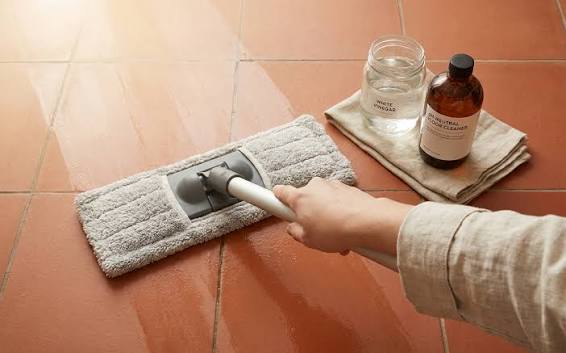
How do they approach post-storm clean-ups without spreading mess indoors?
They create a sequence so the home does not get dirtier as they work. That usually starts with entry control, then removing the obvious debris, then moving room-by-room from cleaner zones to dirtier zones.
Cleaners Taree teams often prioritise vacuuming and dry pickup before wet wiping. They also isolate problem areas, like a muddy hallway or a damp rumpus room, so moisture and grit do not get carried into bedrooms and living spaces.
How do they help households reduce dust between visits?
They suggest small changes that cut the re-entry of dust, rather than only increasing cleaning frequency. The aim is to keep the home looking better for longer, especially in dry, windy stretches.
For Cleaners Taree, common advice includes upgrading door mats, encouraging shoes-off habits, and using quick daily microfibre passes on the most visible surfaces. They may also suggest checking window seals and using blinds and curtains that are easier to dust than heavy textured fabrics.
How do they customise a plan for homes, rentals, and local businesses?
They base the plan on foot traffic, surface types, and exposure to weather, not a one-size checklist. A rental with frequent tenant changeovers needs different priorities to a family home, and a shopfront near a busy road will need more dust management than an office set back from traffic.
Cleaners Taree teams typically tailor tasks like glass, skirting, fans, and deep bathroom work to a realistic rotation. That way, the space stays presentable week-to-week while still getting the periodic detail that regional dust and humidity demand.
What does “consistent results” look like in a place with inconsistent conditions?
It looks like smart sequencing, the right tools, and clear expectations about what the weather will change. They aim for homes that feel reset, smell fresh, and stay comfortable, even when rain and dust arrive back-to-back.
For Cleaners Taree, consistency comes from adapting the process, not lowering the standard. They plan for the region as it is, then clean in a way that holds up until the next weather shift.
Taree’s unpredictable weather, including sudden downpours and humid weeks, requires Cleaners Taree to adjust cleaning schedules based on the forecast. They prioritize interior cleaning during wetter periods and delay outdoor tasks until surfaces can dry properly. This approach includes starting early to avoid storms and allowing extra time for ventilation and safe floor drying to ensure effective results.
Regional dust in Taree is a persistent mix of fine road grit, soil, leaf particles, and pollen that constantly re-enters buildings through doors, shoes, pets, and gaps in older structures. Cleaners Taree treat dust as a systemic issue by focusing on entry points, settling areas like dark cabinetry and glossy surfaces, and implementing routines that minimize dust accumulation throughout homes and workplaces.
To combat mud and grit during wet conditions, Cleaners Taree control the first two metres inside entryways by recommending sturdy doormats both outside and inside. They establish clear ‘drop zones’ for wet shoes and umbrellas to prevent mess spread. Additional care includes thorough cleaning of thresholds, skirting near entries, vacuuming beneath mats, and shaking mats outside when possible to maintain cleanliness.
Cleaners Taree reduce floor scratching risks by first removing dry grit through careful vacuuming with appropriate attachments, especially along edges and high-traffic areas. They then perform a damp clean suited to the specific floor type while avoiding overwetting timber or laminate surfaces. Frequent mop water changes prevent redistributing fine grit, ensuring floors remain clean without damage.
During humid periods with elevated mould risk, Cleaners Taree incorporate ventilation and moisture control into their cleaning processes. They focus on moisture-prone areas like bathrooms, laundries, wardrobes on external walls, and closed rooms. Targeted cleaning includes exhaust fan covers, shower corners, grout lines, and window tracks to remove condensation traps while monitoring early mould signs such as musty odours or peeling paint for timely intervention.
Cleaners Taree tackle dust accumulation by working from dust traps outward—vacuuming window tracks with narrow nozzles followed by damp microfibre wiping to capture fine debris. For flyscreens, they gently dry-dust before wiping or rinsing depending on access and drying conditions. This method prevents redistribution of dust indoors caused by frequent opening and closing of doors and windows during dusty spells.