
When someone in Australia is prescribed home oxygen, they usually hear about two options: an oxygen concentrator and an oxygen cylinder. Both can support oxygen therapy, but they work in very different ways, suit different lifestyles, and come with different costs and logistics.
This guide explains the practical differences so they can choose the safest, simplest setup for their home, travel, and daily routine.
What is an oxygen concentrator and how does it work?
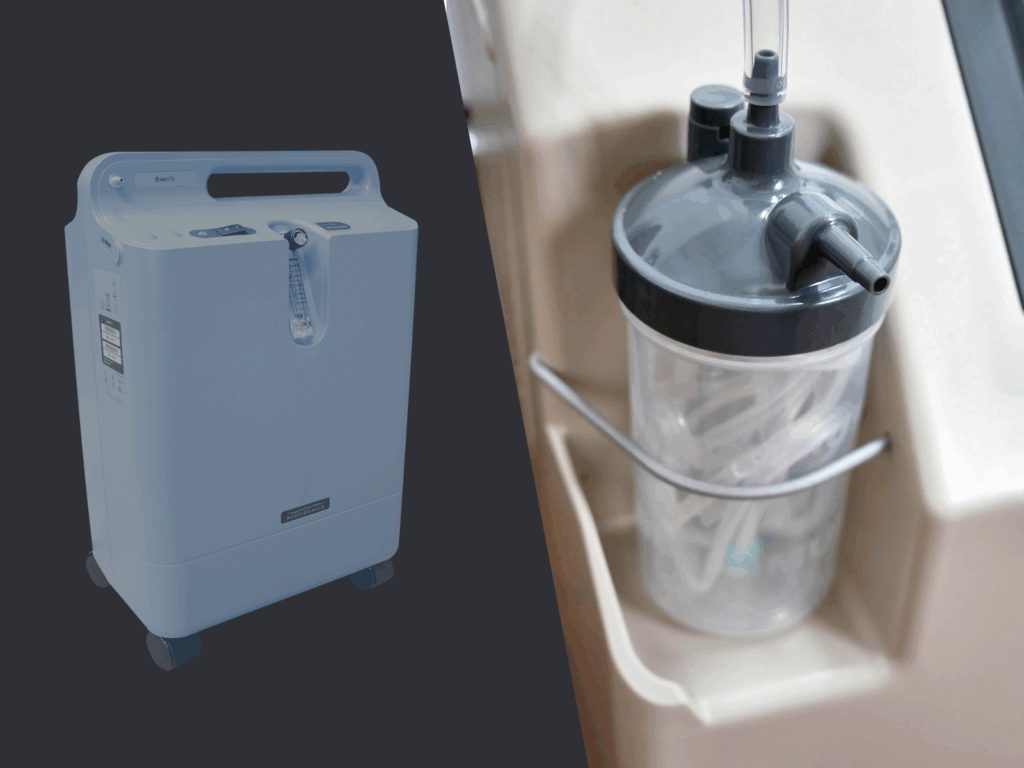
An oxygen concentrator is an electrically powered device that takes in room air, filters out nitrogen, and delivers a higher concentration of oxygen through tubing. In most Australian homes, it is used as the main stationary source for daily therapy.
Because it produces oxygen continuously while powered, they do not need refills. They do need electricity, a clear airflow around the unit, and regular filter cleaning.
What is an oxygen cylinder and how does it work?
An oxygen cylinder is a pressurised metal bottle filled with medical oxygen. It delivers oxygen through a regulator and flow meter, then out through tubing to a cannula or mask.
Unlike a concentrator, a cylinder is finite. Once it is empty, they must organise a replacement or refill through an Australian oxygen supplier, typically coordinated with their provider, hospital team, or respiratory clinic.
How does oxygen purity and flow compare between the two?
Both options can meet common prescribed flows, but the delivery profile differs. A concentrator typically delivers around 90–95% oxygen at specified flow rates, depending on the model and settings. A cylinder delivers very high purity oxygen from the start, but the usable time depends on cylinder size and flow rate.
For many prescriptions, either can work. The deciding factor is usually practicality, not purity.
Which option is more portable for moving around the house or going out?
Portability is where the difference becomes obvious in daily life. A stationary concentrator is designed to stay in one place, and they move around the home using longer oxygen tubing. Some people add a small cylinder for short trips outside.
A portable oxygen concentrator exists, but it is a different device category and may not suit every prescription. In many Australian setups, the cylinder remains the simplest backup for outings.
How do refills and ongoing supply work in Australia?
A concentrator does not require refills. Their ongoing needs are mainly power, basic maintenance, and occasional servicing if arranged through a supplier. In contrast, cylinders require a dependable delivery schedule and enough stock on hand to avoid running out.
In Australia, suppliers often provide a set number of cylinders and swap them as needed. They should confirm delivery frequency, weekend coverage, and what happens during public holidays.
How do running costs and fees usually compare?
Costs vary by state, provider, and whether they access private rental, hospital programs, or NDIS supports. In general, a concentrator may have higher upfront or rental costs but lower ongoing logistics because there are no refills.
Cylinders can look cheaper at first, but repeated deliveries, swaps, and higher usage can add up. They should ask for a written schedule of fees so they can compare fairly.
How reliable is each option during power outages or emergencies?
A concentrator relies on mains power, so it stops during a blackout. For that reason, many Australian clinicians recommend a backup cylinder at home, even when a concentrator is the primary device.
A cylinder keeps working regardless of electricity, which makes it valuable for emergencies. They should still check expiry dates, storage rules, and whether the regulator is functioning, because a backup is only useful if it is ready to use.
What are the safety differences they should know?
Both can be safe when used correctly, but the risks differ. A concentrator is an electrical device that needs ventilation and safe placement away from curtains, heaters, and crowded corners. It should never be covered, and they should keep cords in good condition to prevent electrical hazards.
A cylinder is a high pressure vessel. It must be secured upright or safely laid down to prevent rolling, kept away from heat sources, and handled carefully to avoid damaging the valve. In either case, oxygen increases fire risk, so smoking and open flames must be strictly avoided.
Which one is quieter and easier to live with day to day?
Many concentrators make a steady humming sound and push warm air as they run. Some people find that background noise manageable, while others prefer to place the unit in a well ventilated spot away from bedrooms and use longer tubing.
Cylinders are silent while delivering oxygen, which can feel less intrusive. However, managing replacements, monitoring remaining pressure, and organising storage can be more effort over time.
How do they choose the right option for their prescription and lifestyle?
The best setup usually matches their clinical needs and their routine. If they require oxygen for many hours per day at home, a concentrator often becomes the practical base supply. If they mainly need short bursts, or they live in a place with unreliable power, cylinders may play a bigger role.
Many Australians end up with a mixed plan: concentrator at home, plus a cylinder for backup and transport. Their prescriber and supplier should confirm flow rate, hours of use, and backup requirements before anything is installed.
How does maintenance differ for an oxygen concentrator and a cylinder?
Maintenance expectations are different and should be clear from day one. With a concentrator, they usually clean or replace filters, keep vents clear, and arrange servicing if performance changes. Suppliers often provide guidance and a service schedule.
With cylinders, there is less maintenance, but more handling. They need to check the regulator, watch the gauge, store cylinders safely, and ensure they always have enough supply. When comparing oxygen concentrator vs cylinder, maintenance is often the hidden factor that shapes long term convenience.
What about travel in Australia, like road trips or regional areas?
Travel plans can affect the choice more than people expect. A concentrator is easy at a home base but can be awkward for long drives unless it is a portable model designed for travel. Cylinders can be taken in a car if secured correctly and transported safely, but they can be heavy and take up space.
For regional and remote travel, supply access matters. When weighing oxygen concentrator vs cylinder, they should ask how swaps work outside metro areas, and what support exists if equipment fails while they are away.
When do clinicians commonly recommend a combined setup?
A combined setup is common because it covers everyday use and contingencies. A stationary concentrator can handle regular therapy at home, while a cylinder covers blackouts, servicing downtime, or short trips.
This approach often reduces stress, especially for people with chronic lung conditions who cannot afford interruptions. In practical terms, oxygen concentrator vs cylinder is not always an either-or decision.
What questions should they ask an Australian oxygen supplier before deciding?
They can avoid surprises by asking a few direct questions upfront. They should confirm who to call after hours, what delivery windows look like, and what happens if they run out unexpectedly.
Helpful questions include:
- What flow rates and hours per day does the equipment support?
- What are the total monthly costs, including delivery and consumables?
- What backup is included or recommended?
- How quickly can replacements be delivered in their suburb or region?
- Who services the unit, and how often?
These answers make the oxygen concentrator vs cylinder decision clearer, especially when they compare real world support, not just equipment specs.
What is the simplest way to decide between an oxygen concentrator and a cylinder?
The simplest way is to start with their prescription and daily hours of use, then work backward to the most practical supply. If they use oxygen for long periods at home, a concentrator is often the easiest primary option. If they need oxygen mainly for short periods or emergencies, cylinders can be sufficient.
For most households, oxygen concentrator vs cylinder comes down to reliability, portability, and the logistics they can comfortably manage in Australia. If they are unsure, their respiratory team can recommend a setup that includes both, so they are covered at home and when plans change.
Related : What Makes the Zen-O Portable Oxygen Concentrator Popular for Travel?